Overview
Сanoe is a very popular water sport that is widely played around the world. Canoeing is a sport where a person gets into a small boat made for a sport called a canoe and, using a one-handed paddle to steer the canoe, tries to slide down the river. In some parts of the world, canoeing is also called kayaking. in which the boat is used is called a kayak. The main purpose of a canoe is to travel downstream of the water (usually a portion of a river) using a canoe and paddle.
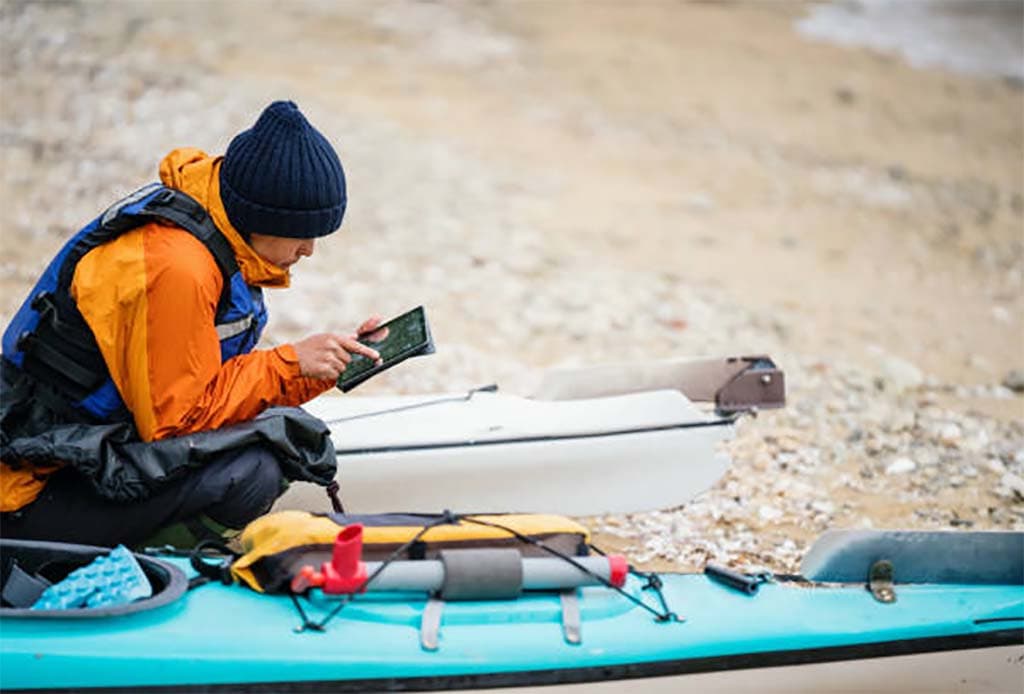
Smart Budgeting for Canoe Enthusiasts: How to Plan Your Next Adventure
Canoeing embodies an escape into nature’s tranquility, offering paddlers both peace and
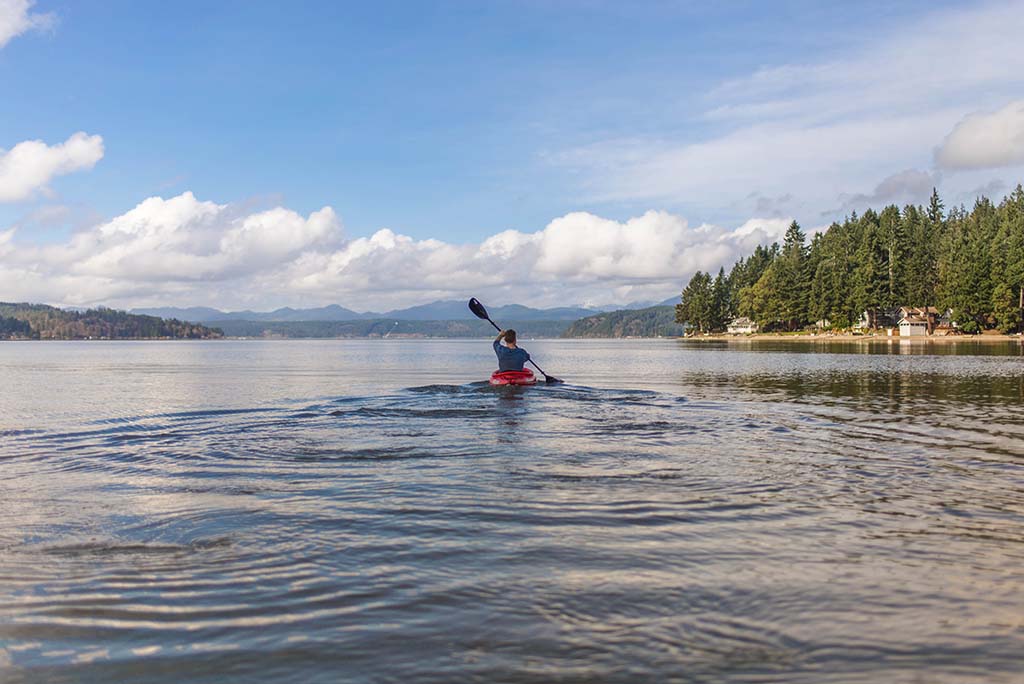
The Major Differences Between Kayaking and Canoeing
Are you confused about the differences between kayaking and canoeing? You’re not
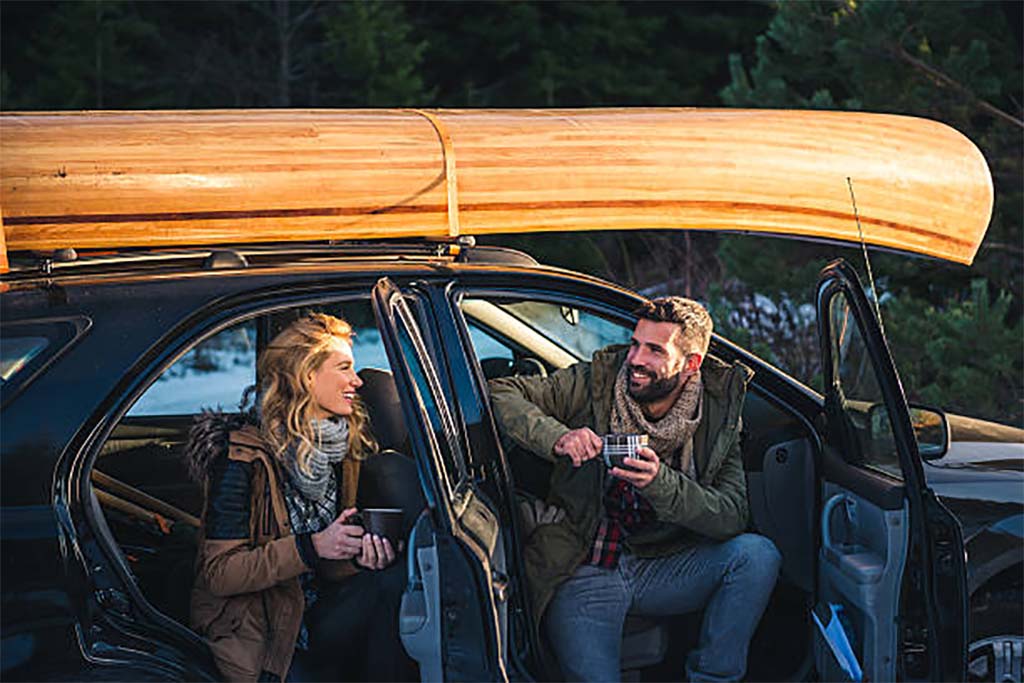
How to Safely Transport a Canoe on Your Car
Canoes are an iconic symbol of outdoor recreation and exploration, allowing you
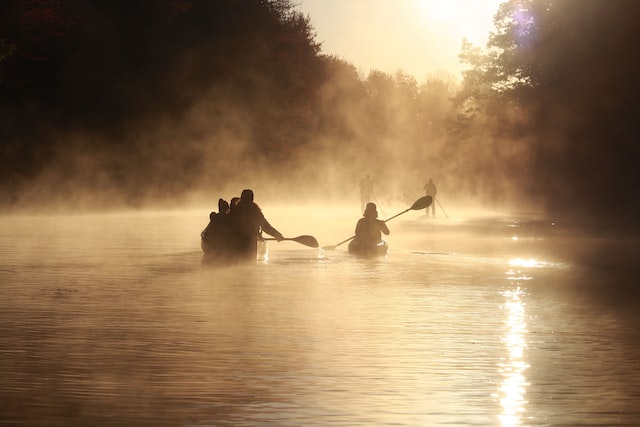
What is the Leading Cause of Death in Canoes
Have you ever wondered what the leading cause of death is in
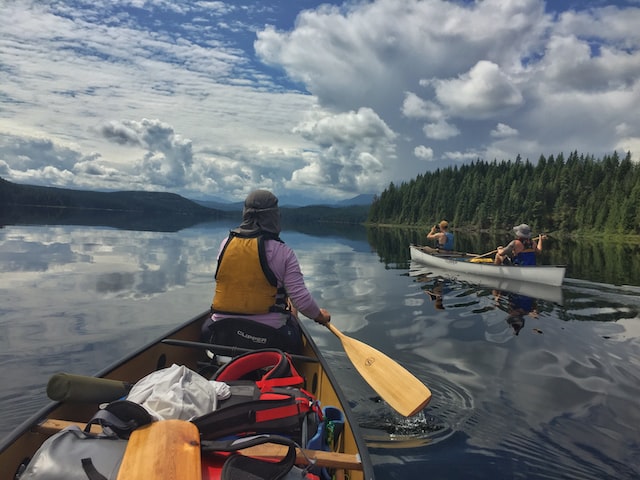
Is Canoeing Harder Than Kayaking
Have you ever considered going canoeing or kayaking? If so, you may
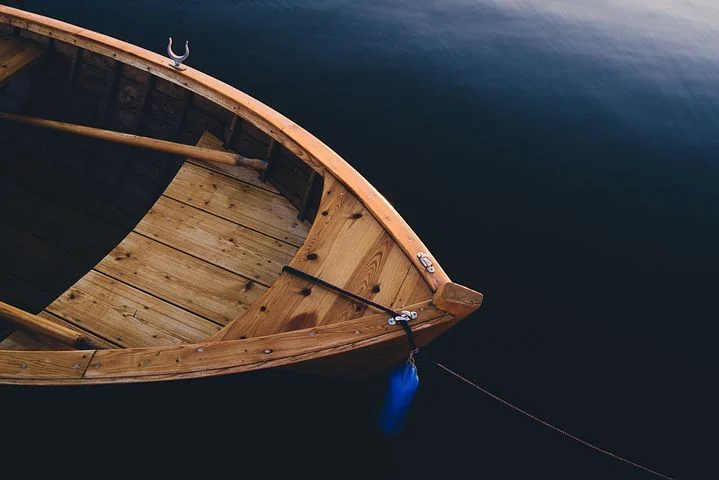
Boat Maintenance: Tips to Properly Care For Your Boat
It is recommended to clean and wash the housing in freshwater using
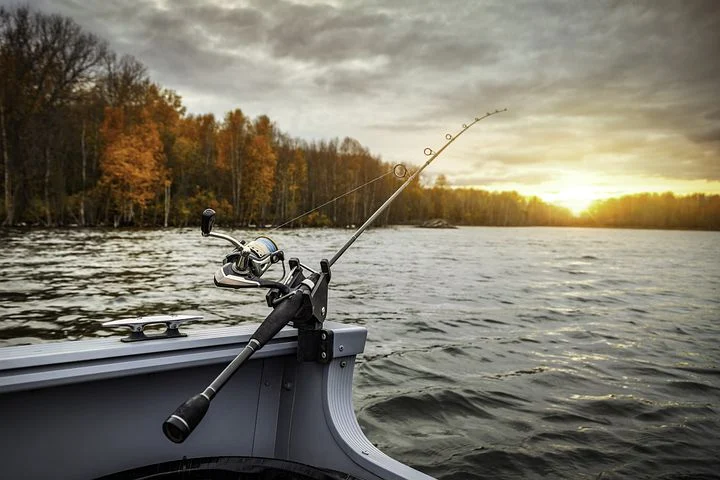
What you should know before you operate your boat
Before you go out to sea or just swim with your family,

Popular places
Knowing local currents, water features and weather conditions is vital, so we
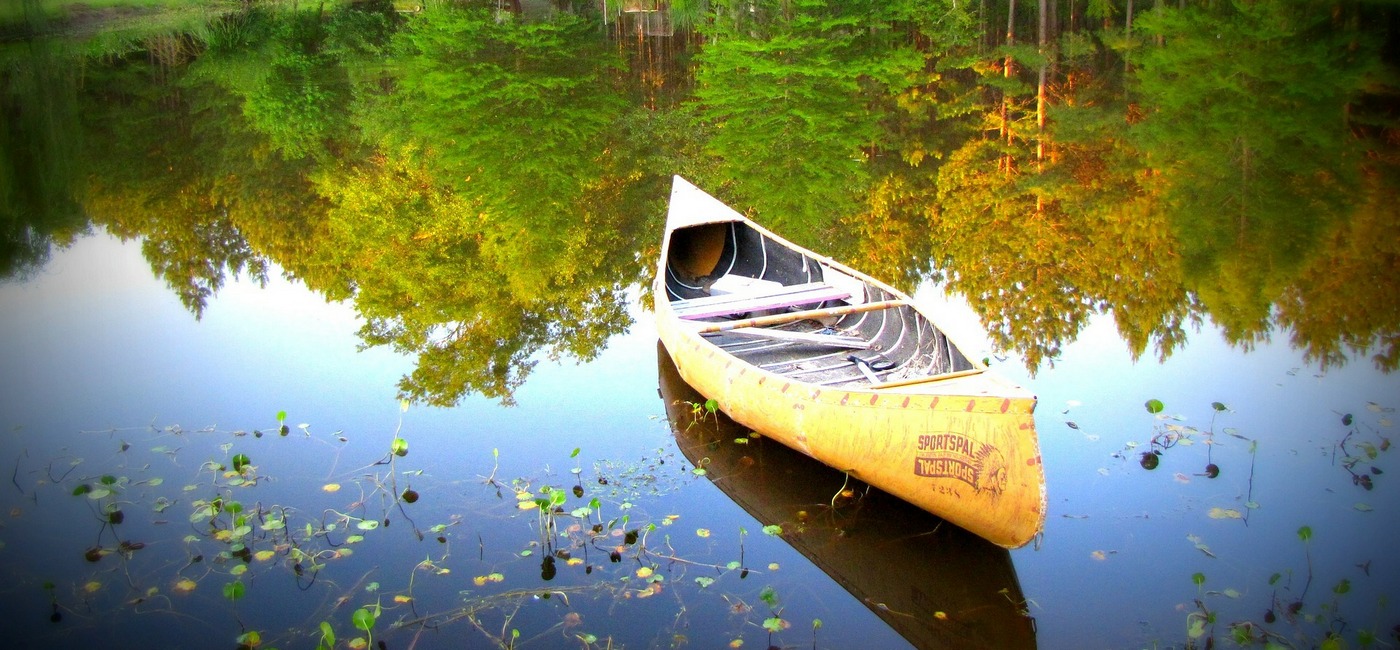
Canoe benefits
Canoeing is physical activity that improves physical fitness, general health and wellness.
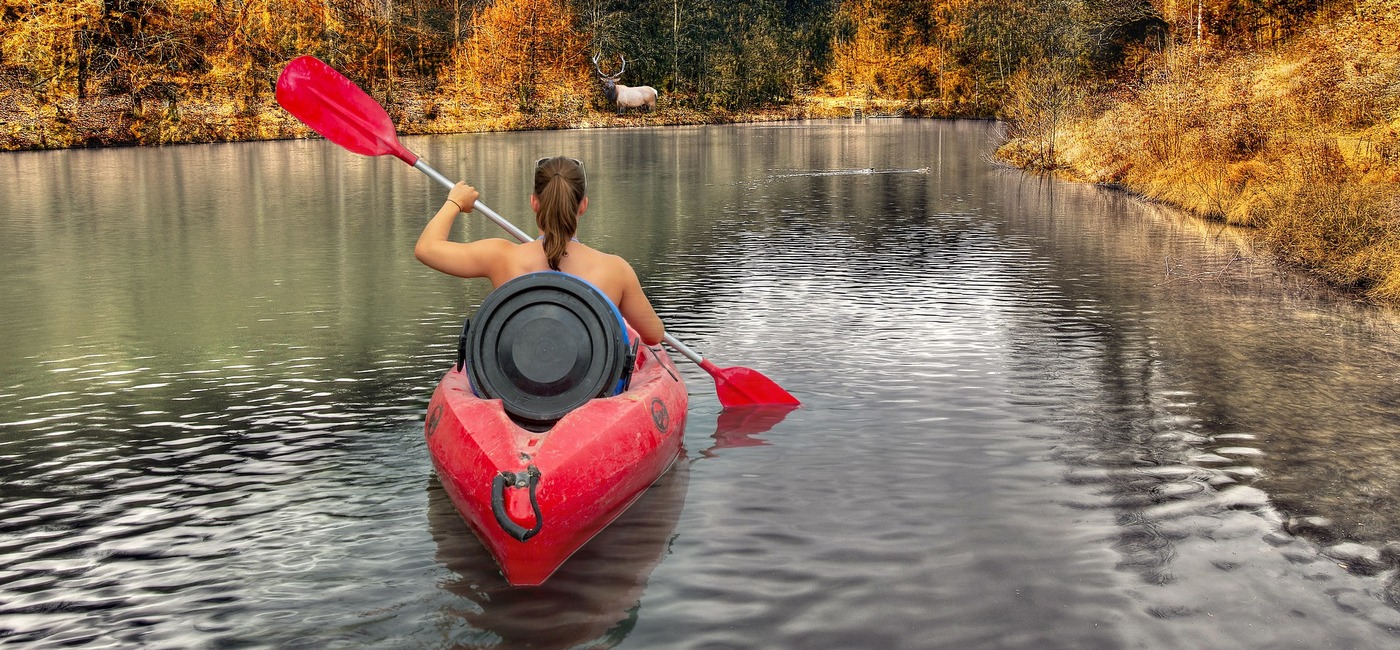
Kayaking and canoeing is the perfect weekend getaway for those who love nature, splashing water and peace of mind. Although it is generally accepted that these small vessels are only intended for short excursions, practice has shown that this is far from the case. Their low weight is their main advantage. They have a shallow draft and can safely walk through shallow water and areas with a clogged bottom. If you are planning to travel by kayak or canoe, our practical tips will help you with it.
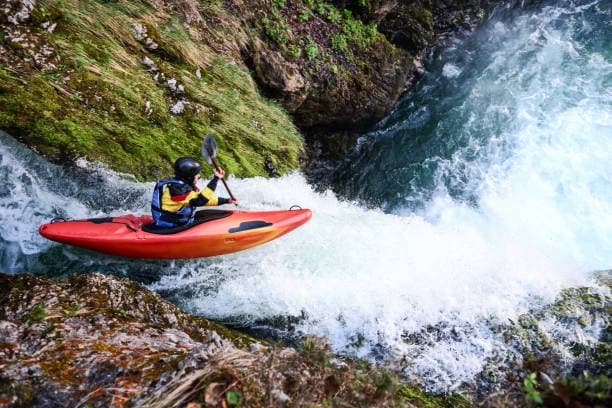
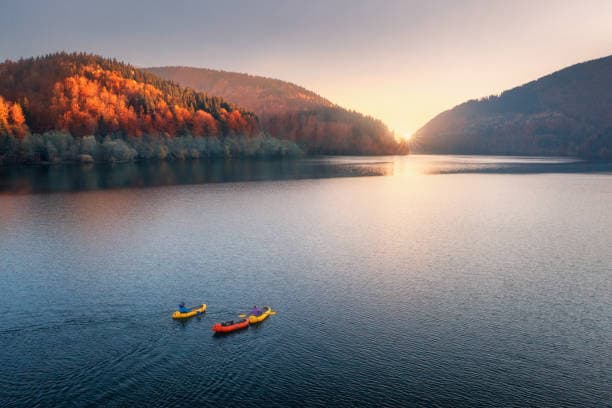
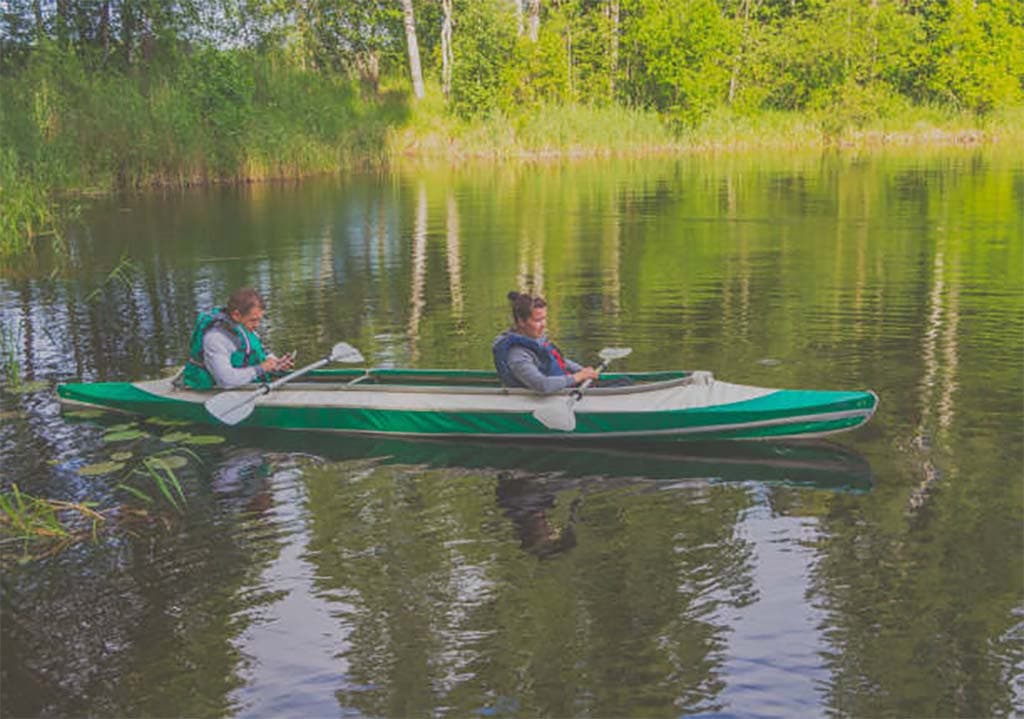
Kayaking and canoeing is an international sport. It is included in the program of the Olympic Games. The European Championships, World Championships and other major competitions are held under the leadership of the International Canoe Federation (ICF).
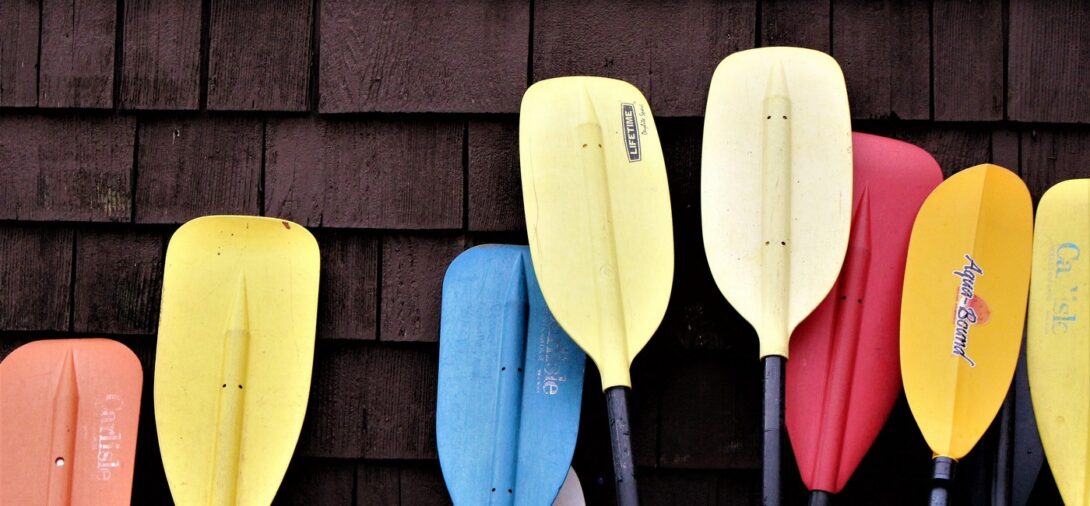
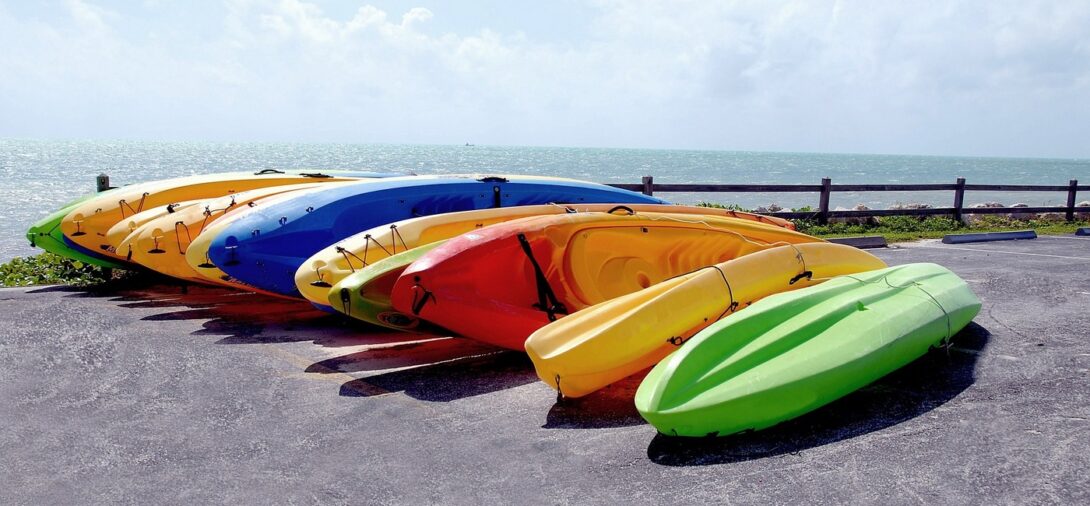
Both men and women are allowed to compete in rowing and canoeing. As a rule, men’s and women’s teams compete separately from each other, but recently mixed groups have been participating in international tournaments. You can participate in singles and doubles relay races, as well as in a team of four. There are distances of 200, 500, 1000 meters (in a straight line) and 5000 meters (with turns).
We Work with Industries Leading Tools